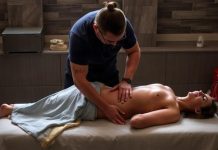

When the day finally loosens its grip and your thoughts are still spinning, a well-executed massage can feel like a quiet, kind reset. Massage for relaxation isn’t a luxury reserved for special occasions; it’s a practical way to calm the nervous system, soften tense muscles, and invite a clearer, quieter mind. This article walks you through why massage works, the most calming techniques, how to prepare and prolong that relaxed state, and safe ways to find quality therapists—especially if you live a city that never sleeps.
Read on like you would a friend explaining what helped them unwind after a long week: plainly, practically, and with a few actionable tips you can try tonight.
Why Massage Calms the Body and Mind
Massage affects both the physical and the emotional at once. On the physical side, rhythmic touch increases local blood flow, eases muscle tension, and stimulates the parasympathetic nervous system—the branch that helps you rest and digest. Emotionally, focused, nonjudgmental touch can lower cortisol and promote oxytocin, creating a real sense of well-being.
This is not mysticism; it’s physiology. Even simple, deliberate strokes are interpreted by the nervous system as a signal to slow down. That shift from fight-or-flight to rest mode is what people notice most: slower breathing, softer shoulders, and a sense of space around the mind’s usual rush.
Types of Relaxation Massage and When to Choose Them
Not all massages are built the same. Some lean toward restoration and gentle strokes; others target deep adhesions and muscular knots. Here are the styles most commonly used to promote relaxation, and how to choose one that fits your needs.
- Swedish Massage: Long gliding strokes, light to medium pressure—ideal if you want full-body relaxation without deep discomfort.
- Aromatherapy Massage: Uses essential oils combined with gentle massage. Choose it when scent relaxes you and you want a multisensory unwind.
- Shiatsu: Finger pressure along meridians and stretching—good if you prefer rhythmic, focal pressure rather than long strokes.
- Hot Stone Massage: Heated stones are used to warm tissue before and during massage—beneficial in easing deep tightness and enhancing warmth-based relaxation.
- Thai Massage (Restorative Style): Passive stretching plus pressure—excellent for releasing joint tension and restoring range of motion while staying restorative.
Choose based on how your body responds to touch. If you wake up sore after a session, ask for lighter pressure next time; if you still feel tight after a light massage, a deeper but careful approach may be better.
Quick Comparison: Which Massage for Which Goal?
| Massage Type | Pressure | Typical Duration | Primary Benefit |
|---|---|---|---|
| Swedish | Light–Medium | 30–90 minutes | General relaxation, circulation |
| Aromatherapy | Light–Medium | 60–90 minutes | Relaxation with sensory calm |
| Shiatsu | Medium | 60–90 minutes | Energy balance, local release |
| Hot Stone | Light–Medium | 60–90 minutes | Deep warmth, muscle loosening |
| Thai (Restorative) | Medium | 60–120 minutes | Joint mobility, passive stretching |
How to Prepare for a Relaxation Massage
Preparation matters more than most people expect. Small choices add up to a deeper, safer experience. Start by drinking water earlier in the day, since massage shifts fluids and circulation. Avoid heavy meals right before your appointment; a light snack is better than a full plate.
Communicate clearly with your therapist about pressure, sensitive spots, and whether you want music or silence. Don’t be shy—therapists prefer to know your preferences rather than guessing. If you’re nervous or sensitive to touch, mention that. A skilled practitioner will adapt immediately.
Arrival Checklist
- Hydrate 30–60 minutes beforehand.
- Wear comfortable clothes; undress only to your comfort level.
- Arrive 10–15 minutes early to fill intake forms and settle in.
- Note recent injuries or medical conditions on your intake form.
- Decide whether you want a silent room, soft music, or guided breathing.
Simple Techniques You Can Try at Home
If you can’t get to a therapist tonight, home practice can still ease tension and prime you for better sleep. You don’t need oil or elaborate tools—just steady, mindful touch.
- Neck sweep: Use your fingers to make slow, gentle strokes from the base of the skull down to the shoulders. Hold and breathe over tight spots for ten to fifteen seconds.
- Shoulder knead: Pinch and roll the trapezius (top of the shoulder) with the pads of your fingers in small circles to encourage release.
- Foot calm: Sit comfortably and use thumbs to press along the sole from heel to toes. Slow pressure relieves built-up tension from standing or walking.
- Self-effleurage: Long, palm-based strokes along limbs (from hands to armpit, feet to knee) using moderate pressure—this encourages circulation and warmth.
Always move toward the heart when working on limbs to encourage venous return. If a movement causes sharp pain, stop immediately. Gentle discomfort can be normal when releasing adhesions; sharp, shocking pain is not.
Finding a Quality Massage in a 24/7 City
Big cities offer plenty of options: hotel spas with quiet rooms, boutique studios with specialized techniques, mobile therapists who come to your apartment, and late-night wellness centers. If you prefer evenings, look for studios that offer extended hours or therapists who make house calls.
When choosing, rely on clear signals: up-to-date websites, public reviews that mention professionalism and cleanliness, and transparent pricing. Always confirm that a therapist is licensed or certified according to local regulations. If the listing is vague about qualifications, ask before booking.
Questions to Ask Before Booking
- Are you licensed or certified? Can I see credentials?
- What is your experience with relaxation-focused sessions?
- Do you offer extended hours or mobile service?
- What sanitation practices are in place between clients?
- Can you accommodate allergies or scent sensitivities?
Safety, Contraindications, and Respectful Boundaries
Massage is generally safe when performed by trained practitioners, but there are times to pause. Fever, contagious skin conditions, recent fractures, or certain cardiovascular conditions require medical clearance before massage. Pregnancy changes care protocols—seek a therapist trained in prenatal massage if you’re expecting.
Consent and boundaries are central. A legitimate therapist will never pressure you into undressing beyond your comfort, will drape appropriately, and will explain what to expect. If anything feels off, stop the session. Safety includes both physical health and emotional comfort.
How to Keep the Relaxation Going After Your Session
The hour after a massage is prime time for deepening the calm. Drink water to support circulation and toxin clearance, eat lightly, and keep movement gentle—think slow walks or light stretching rather than intense workouts. If you want to promote sleep, dim lights, avoid screens for a while, and consider a warm shower to extend the warmth into your muscles.
Small rituals help: a lavender spray on pillows, five minutes of belly breathing before bed, or a short restorative pose on the floor. These tiny habits anchor the relief you just created and make it last beyond the treatment room.
Visuals and Social Sharing
Imagery helps set expectations. Look for photos that show calm, professional therapy rooms, therapists in neutral, clean attire, and soft lighting—images that feel inviting without being staged or sensational. If you share your experience, keep descriptions respectful and focus on the effect: how the session changed your tension, sleep, or mood.
Here are some social-ready hashtags and a short caption you can use to share a mindful massage experience without oversharing personal details:
#EveningUnwind #RelaxationMassage #CitySpaNights #SelfCareRitual #MindfulTouch #WellnessInTheCity #SleepPrep
Caption idea: “Treated my shoulders to a little evening reset—gentle strokes, dim lights, and a proper night’s sleep. Worth every minute.” Simple, relatable, and grounded.
Resources and What to Look for in Training
If you’re curious about therapist training, look for programs that teach anatomy, ethics, and hands-on technique with supervised hours. Continuing education in areas like prenatal care, sports therapy, or modalities like myofascial release is a plus. Training signals matter: technique is one thing, and the ability to read a client’s needs is another.
Community recommendations are valuable. Ask friends, check neighborhood groups, and read multiple reviews rather than trusting a single five-star listing. Reputation builds over time, and a pattern of thoughtful, consistent feedback beats flash marketing.
Conclusion
Massage for relaxation is a practical tool anyone can use to reclaim a quieter nervous system and softer muscles. Whether you schedule a professional session in one of the city’s late-night studios, invite a mobile therapist to your apartment, or practice simple self-massage at home, the key is intention. Set the space, communicate clearly, and follow up with rest. That combination—skilled touch plus mindful aftercare—turns a single session into a longer-lasting habit of ease.
Start small: book a 60-minute Swedish or aromatherapy session, or try a ten-minute self-massage tonight. Notice how your body responds, and let that guide your next choice. Calm is something you build, one deliberate touch at a time.